Introduction
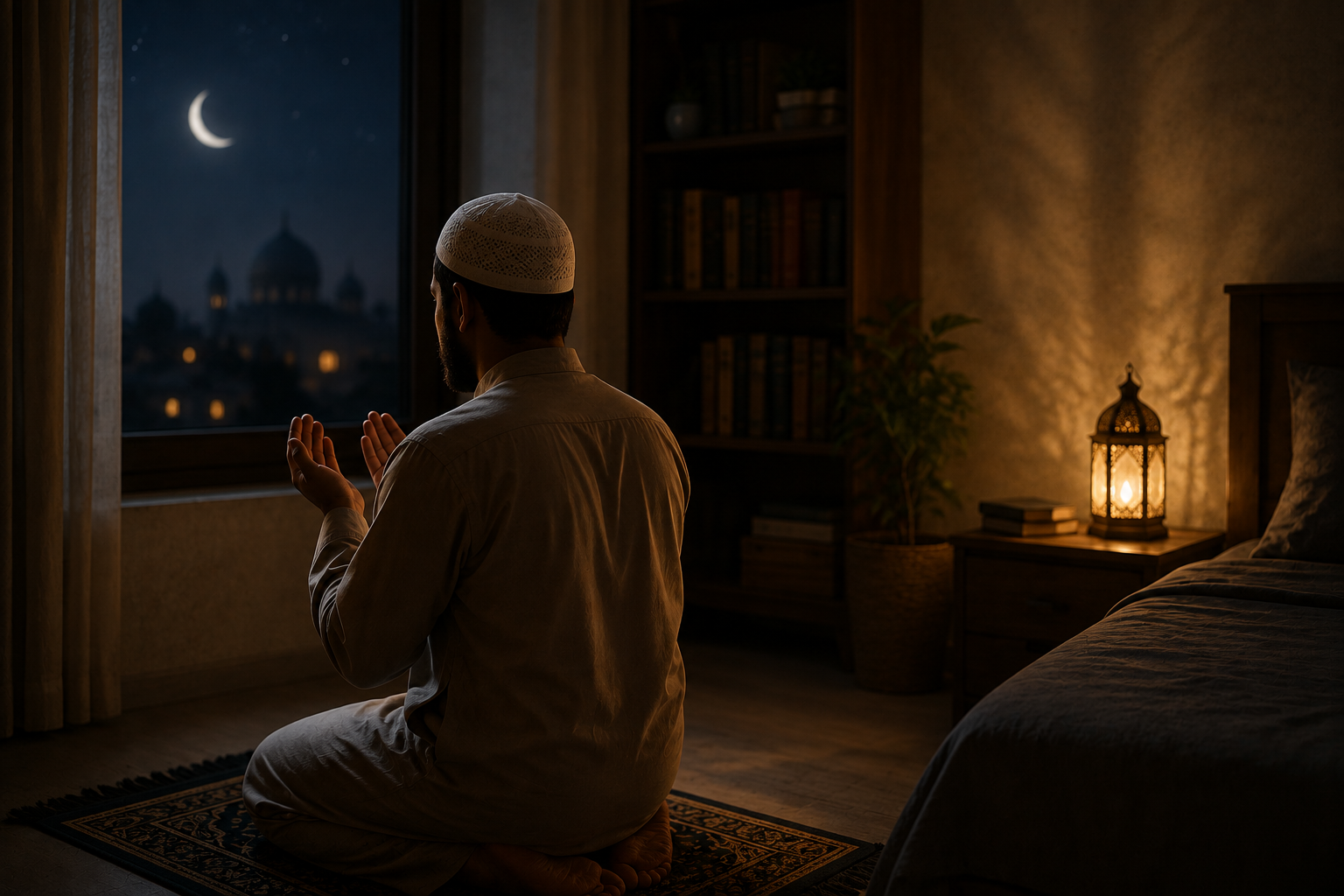
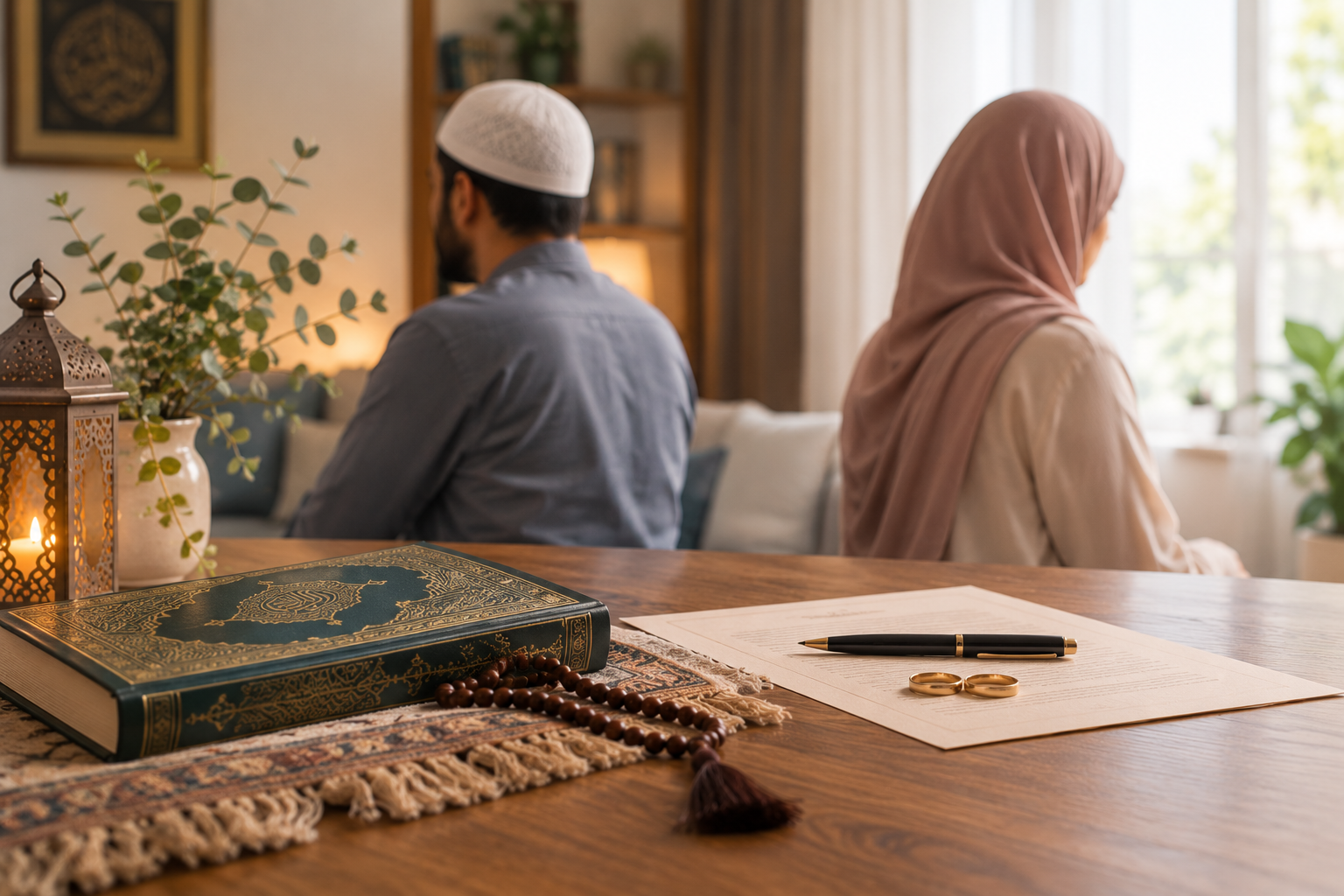
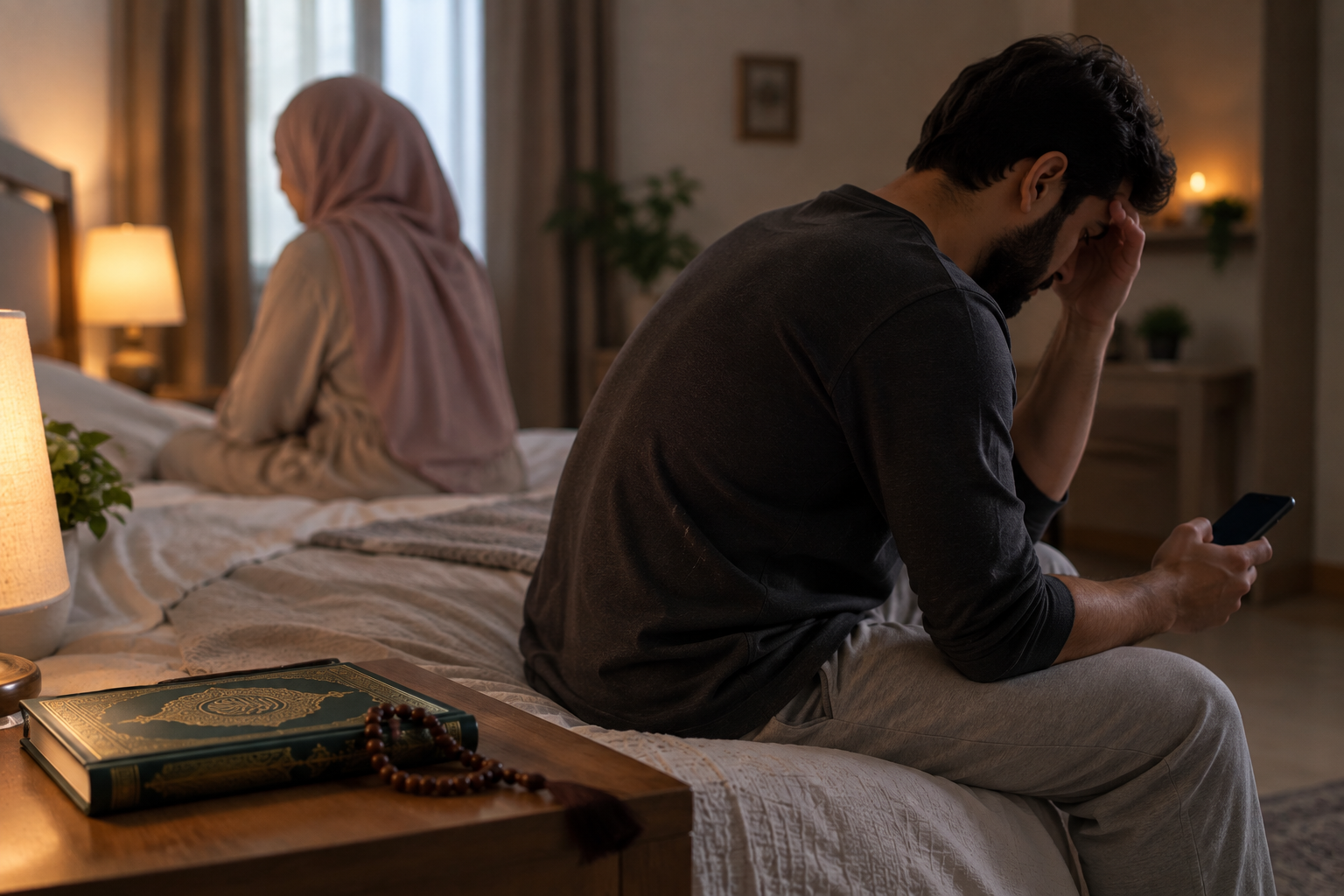
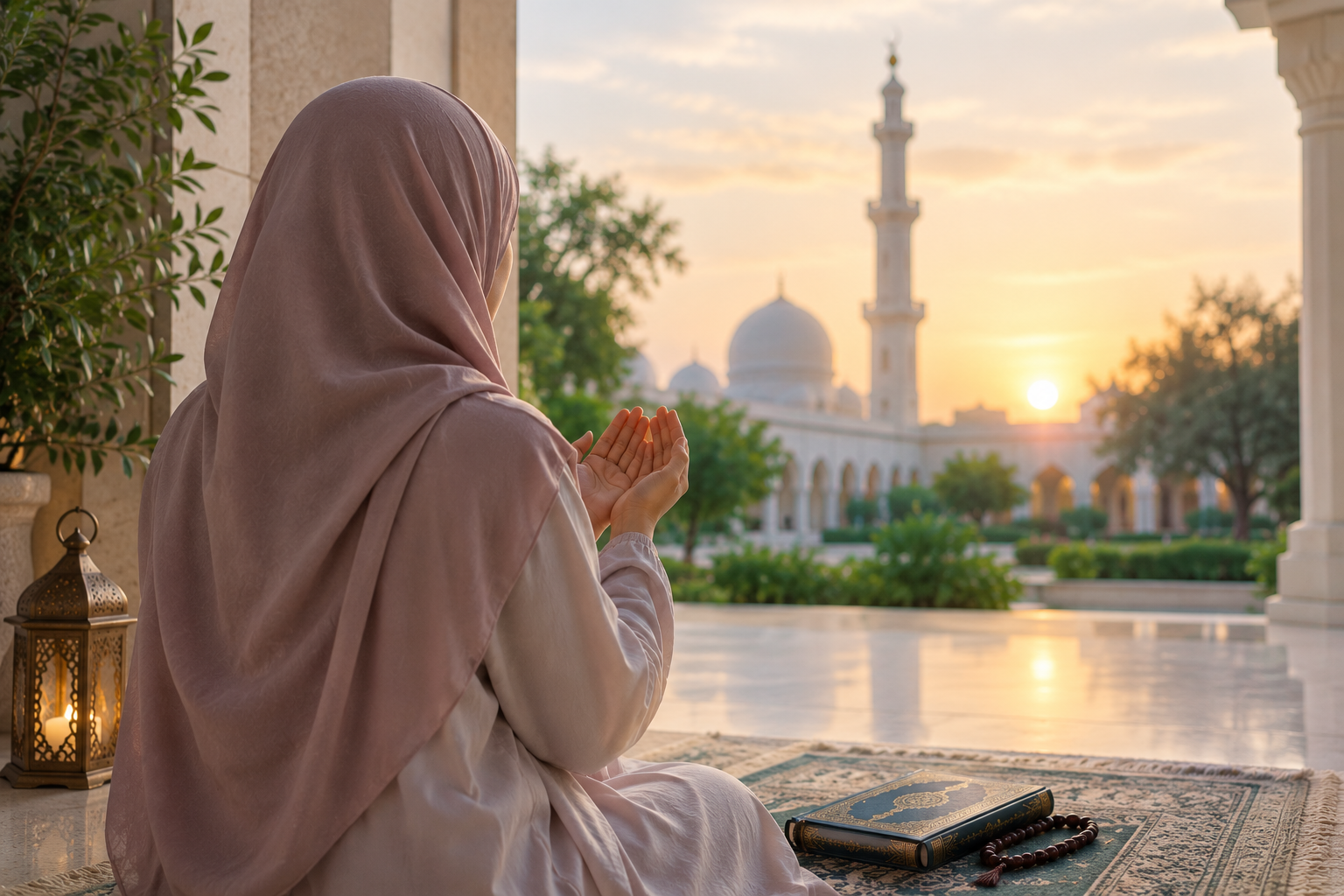
When a marriage is in turmoil, when communication has broken down and hearts have grown distant, it can feel like there’s nowhere left to turn. But there is a sanctuary that is always open, a door that is never closed to the believer who seeks it sincerely — the door of night prayer, of tahajjud, of pouring one’s heart out to Allah in the depths of the night.
The Prophet ﷺ said:
"The best prayer after the obligatory prayers is the night prayer."
(Muslim)
Tahajjud, the voluntary prayer performed in the last third of the night, holds a special status in Islam. It is a time when the veils between the believer and Allah are at their thinnest, when the distractions of the world have faded away, and the heart is most receptive to the whispers of guidance and mercy.
For the struggling marriage, tahajjud can be a lifeline — a means of seeking Allah’s intervention, of inviting His mercy and guidance into the cracks and crevices of a strained relationship. It is a powerful tool for both spiritual healing and practical problem-solving.
In this article, we’ll explore the virtues of tahajjud in Islam, how to perform it with sincerity and devotion, and specific duas and strategies for using this mighty weapon to seek Allah’s aid in healing and strengthening your marriage.
The Power of Tahajjud in Islam
The Quran itself testifies to the special status of night prayer:
"And from [part of] the night, pray with it as additional [worship] for you; it is expected that your Lord will resurrect you to a praised station."
(Al-Isra, 17:79)
The “praised station” mentioned in this verse is interpreted by many scholars as a reference to the station of intercession granted to the Prophet ﷺ on the Day of Judgment. This is the lofty status that Allah promises to those who consistently rise in the night to seek His face.
The Prophet ﷺ, despite his already exalted rank, was regular in his tahajjud. Aisha (may Allah be pleased with her) reported:
"The Prophet ﷺ used to pray eleven rak'ahs at night, making them lengthy and perfect, and then he would make sujood until it would be close to Fajr."
(Bukhari)
If the Messenger of Allah ﷺ, whose past and future sins were forgiven, was so diligent in seeking Allah in the night, how much more are we in need of this blessed act of worship?
But the virtues of tahajjud go beyond just the reward of the prayer itself. The night prayer is also a time of immense spiritual benefit and personal transformation.
The Prophet ﷺ said:
"The best time for a slave to converse with his Lord is during the last part of the night."
(Tirmidhi)
It is in this intimate conversation, in the pouring out of one’s hopes and fears and needs to the All-Hearing, All-Seeing, that hearts are softened, guidance is granted, and miracles are wrought.
Tahajjud for Marital Healing
When it comes to seeking Allah’s help for a struggling marriage, tahajjud is one of the most powerful tools at our disposal. Its benefits for marital healing are manifold:
- Tahajjud softens hearts. In the stillness of the night, when the ego is quieted and the soul is laid bare before its Creator, even the hardest of hearts can be made tender. The same heart that was filled with anger, resentment, or bitterness during the day can find itself overflowing with compassion, forgiveness, and mercy in the depths of the night.
- Tahajjud invites divine intervention. When we sincerely call upon Allah in tahajjud, we are inviting His direct intervention into our affairs. We are saying, "Ya Allah, this problem is too big for me. I need Your help." And Allah, in His infinite mercy, responds to the call of the sincere supplicant.
- Tahajjud provides guidance. The night prayer is a time of deep reflection and introspection. As we stand before Allah, pouring out our hearts, He guides us to insights and solutions we may never have considered before. He shows us where we need to change, where we need to grow, and how we can be better spouses.
- Tahajjud brings barakah. The Prophet ﷺ said, "Whoever prays qiyam with ten verses will not be recorded among the heedless. Whoever prays qiyam with a hundred verses will be recorded among the devout. And whoever prays qiyam with a thousand verses will be recorded among the muqantarin (those who pile up good deeds)." (Abu Dawud) This barakah, this blessing and increase from Allah, spills over into all aspects of our lives, including our marriages.
- Tahajjud strengthens our spiritual resilience. The trials of marriage can wear down even the strongest of believers. But the one who regularly seeks Allah in the night, who consistently turns to Him for strength and solace, develops a spiritual fortitude that can weather any storm. Tahajjud builds our inner reserves of faith and patience that are so essential for navigating marital challenges.
How to Perform Tahajjud for Your Marriage
- Make intention. Form the sincere intention in your heart that you are performing tahajjud to seek Allah’s help for your marriage. Renew this intention each time you stand for prayer.
- Pray in the last third of the night. The most blessed time for tahajjud is the last third of the night, before Fajr. Strive to wake up at this time, even if it means going to bed earlier.
- Start with two rak’ahs. The minimum tahajjud is two rak’ahs, but you can pray as many as you wish in sets of two. The Prophet ﷺ used to pray eleven rak’ahs.
- Make your prayer sincere and focused. This is not the time for rushed or distracted prayer. Pour your heart into your recitation, your du’a, your sujood. Pray as if everything depends on it — because it does.
- Incorporate specific duas for your marriage. In your sujood and after your prayer, make heartfelt du’a for your marriage. Ask Allah to heal your relationship, to soften your hearts towards each other, to grant you patience and understanding, to guide you both to what pleases Him. Be specific in your du’as.
- Couple your prayer with action. Tahajjud is not a magic solution. It is a means of seeking Allah’s help and guidance as you strive to improve your marriage. Couple your night prayers with sincere efforts to be a better spouse during the day.
Powerful Duas for Marital Healing
Here are some powerful duas, from the Quran and Sunnah, to incorporate into your tahajjud for marital healing:
"Our Lord, grant us from among our wives and offspring comfort to our eyes and make us a leader [i.e., example] for the righteous."
(Al-Furqan, 25:74)
"Our Lord, grant us spouses and offspring who will be the comfort of our eyes, and give us the grace to lead those who fear Allah."
(Tirmidhi)
"O Allah, if this is for my well-being in my religious and worldly affairs and my future, then make it easy for me and bless me in it. And if it is bad for me in my religious and worldly affairs and my future, then turn it away from me and turn me away from it, and decree for me what is good wherever it may be, and make me content with it."
(Ibn Hibban)
"O Allah, I ask You for the good in this world and the Hereafter. O Allah, I ask You for pardon and well-being in my religion, my worldly affairs, my family, and my wealth. O Allah, conceal my faults and reassure me in my anxieties. O Allah, guard me from before me, from behind me, from my right, from my left, and from above me, and I seek refuge in Your Greatness from being taken unaware from beneath me."
(Abu Dawud)
Conclusion
Tahajjud is not a panacea. It is not a guarantee that all your marital problems will disappear overnight. But it is a powerful means of seeking Allah’s help, of inviting His mercy and guidance into your marriage, and of transforming your own heart in the process.
As you stand before your Lord in the stillness of the night, pouring out your worries and your hopes, know that He hears you. Know that He sees your struggles and your striving. And know that, in His infinite wisdom and mercy, He is working for your good, even when you cannot see it.
Keep seeking Him in the depths of the night. Keep striving to be the best spouse you can be during the day. And keep trusting that, no matter how difficult things may seem, Allah’s help is always near.
The Prophet ﷺ said:
"When a third of the night remains, our Lord, the Blessed and the Exalted, descends to the lowest heaven and says: 'Is there anyone who calls upon Me so that I may answer him? Is there anyone who asks Me so that I may grant him? Is there anyone who seeks My forgiveness so that I may forgive him?'"
(Ibn Majah)
May Allah make us among those who seek Him in the depths of the night, who call upon Him with sincerity and devotion, and who find in His response the guidance, the healing, and the mercy that our marriages so desperately need. Ameen.
Frequently Asked Questions
Can I pray tahajjud without waking up in the last third of the night?
While the last third of the night is considered the most blessed time for tahajjud, any prayer after Isha and before Fajr is considered night prayer and is rewarded as such. If you struggle to wake up in the last third, start by praying whenever you can in the night, and work your way towards the last third.
How long should I pray tahajjud for my marriage?
There is no set duration. Pray as much as you are able, with sincerity and focus. Even two rak’ahs, if prayed with a devoted heart, can be immensely powerful. Consistency is more important than length.
What if I fall asleep while praying tahajjud?
The Prophet ﷺ said, “When one of you rises to pray at night and his Quranic recitation becomes confused (due to drowsiness) and he doesn’t know what he’s saying, then he should lie down (and sleep).” (Muslim) It’s better to pray a focused, alert tahajjud, even if it’s shorter, than to force yourself to continue while drowsy.
Can I make dua in my own language during tahajjud?
Absolutely. While it’s good to incorporate the Quranic and Prophetic duas, you can and should also pour your heart out to Allah in your own words and language. Allah understands every language and every heart.
How long should I expect to see results from praying tahajjud for my marriage?
The timeline is in Allah’s hands. Some may see immediate changes, while for others, it may be a gradual process. The key is to remain consistent in your tahajjud and to couple it with practical efforts to improve your marriage. Trust in Allah’s timing and have faith that He is working behind the scenes, even if you don’t see the fruits immediately.
Remember, the door of night prayer is always open. No matter how hopeless your marriage may seem, no matter how far the gulf between you and your spouse may feel, Allah is always near. His help is always available. His mercy is always ready to descend upon those who seek Him in the depths of the night. Rise, pray, and pour out your heart to the One who mends every broken bond and heals every shattered heart. In sha Allah, you will find in tahajjud the solace, the guidance, and the divine intervention your marriage needs.
On this page
Dua of the week
- "O Allah, I ask You for Your love, and the love of those who love You."
- Tirmidhi 3490