Introduction
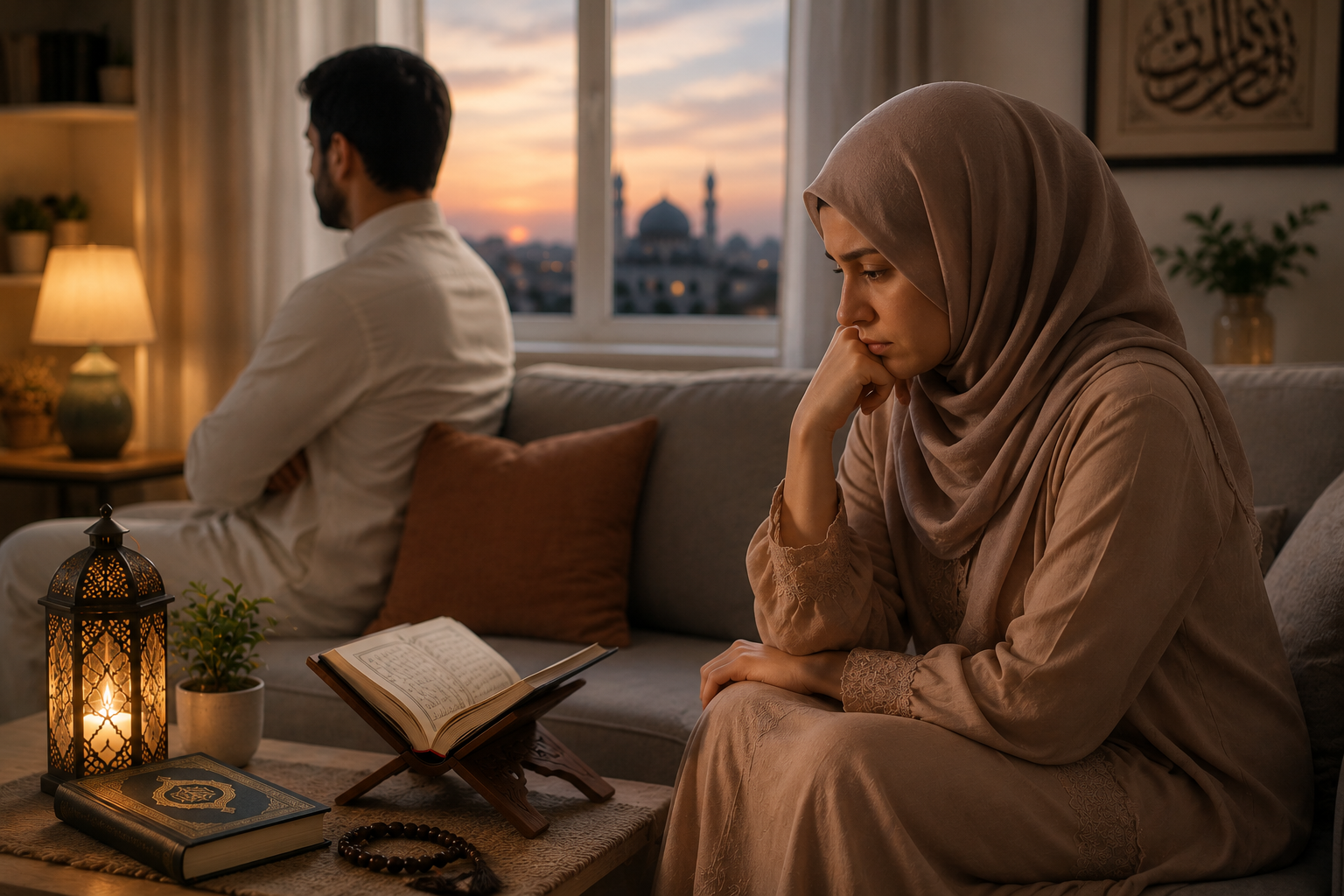
If the man who once couldn’t stop telling you how brilliant, beautiful and capable you are now makes you feel small, dismissed and disregarded, my heart goes out to you. Being systematically belittled or demeaned by the person who’s meant to be your partner, your protector and your biggest supporter is a special kind of pain — the kind that can make you question not just your marriage, but your own worth.
Please hear this: your husband’s disrespect is not a reflection of your value. You are not less intelligent, less important or less worthy of consideration because he treats you as if you are. His behavior is about him, not you. And while I know it doesn’t feel like it right now, you have more power than you realize to shift this dynamic — not by better tolerating disrespect, but by standing up to it from a place of unshakeable self-worth and trust in Allah.
Quick answer
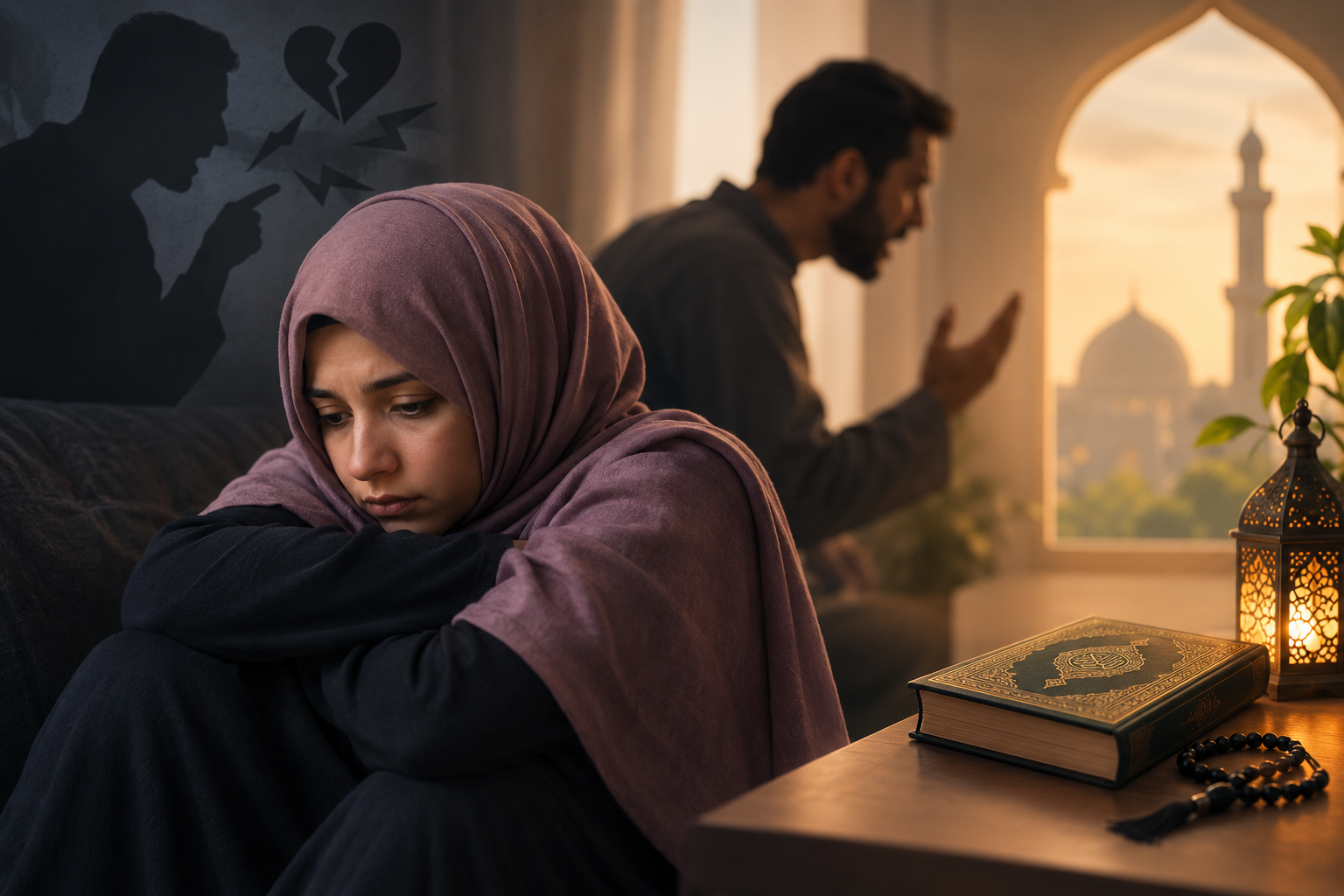
In an Islamic framework, marital respect is not an optional extra — it’s a fundamental right of both spouses. A husband who consistently belittles, criticizes, dismisses or demeans his wife is not just “a bad communicator” — he is emotionally abusing her and violating the Quranic vision of marriage as a source of tranquility, affection and mercy.
As the mistreated spouse, you’re not required to silently endure this behavior in the name of sabr. Islam permits you to directly address the mistreatment, set firm boundaries, and seek outside support or even separation if the abuse continues. The keys are to ground yourself in dua and remembrance of Allah, communicate your needs clearly and courageously, and refuse to internalize the belittlement as a reflection of your worth.
Signs of a Disrespectful Husband
Disrespect can take many forms, some overt and others subtler. Your husband may be crossing lines if he:
- Regularly criticizes or belittles you, especially in front of others
- Dismisses your opinions or talks over you
- Makes unilateral decisions without considering your input
- Speaks to you harshly or callously
- Puts you down with sarcasm or “jokes” that feel humiliating
- Disregards your needs or feelings
- Ignores your boundaries or reasonable requests
- Shares private details about you with others in a mocking way
One instance of insensitive communication doesn’t automatically constitute abuse. But a pattern of belittlement, dismissal and disregard is a serious red flag that requires intervention, not just patience.
Why This Might Be Happening
It’s tempting to rack your brain for what you might have done to “make” your husband treat you this way. But the reality is, his disrespect likely has far more to do with his own issues than anything you’ve done. He may be:
- Imitating belittling behavior he witnessed growing up
- Struggling with his own insecurities and taking them out on you
- Holding misguided beliefs about male superiority and entitlement
- Confusing authoritarianism with leadership in marriage
- Lacking the emotional tools to handle stress or conflict respectfully
This context matters not to excuse his behavior, but to help you see that it’s not caused by some deficiency in you. You cannot make another person respect you by shrinking yourself.
What NOT to Assume
- Don't assume you're being overly sensitive. Diminishment of your feelings is a tactic of emotional abuse.
- Don't assume he'll change on his own if you're just patient enough. Tolerating mistreatment rarely leads to better treatment.
- Don't assume his disrespect means he's on the verge of leaving. Many men use contempt to control, not to signal detachment.
- Don't assume Islamic teachings about wifely obedience mean you're not entitled to respect. Abuse is never justified.
- Don't assume couple's counseling will help if he's unrepentant. Abuse requires specialized intervention, not just communication tips.
The Islamic Perspective
The Quran is unambiguous: marriage is meant to be a source of tranquility, affection and mercy between spouses.
"And of His signs is that He created for you from yourselves mates that you may find tranquility in them; and He placed between you affection and mercy."
(Ar-Rum 30:21)
Constant disrespect and belittlement violate this Quranic vision of marriage. They create anxiety and pain, not tranquility. They breed resentment, not affection. They deny mercy to the very person to whom it’s owed most.
The Quran also says:
"And due to the wives is similar to what is expected of them, according to what is reasonable. But the men have a degree over them [in responsibility and authority]."
(Al-Baqarah 2:228)
While this verse does establish a degree of authority for husbands, the phrase “according to what is reasonable” is key. A husband’s authority does not give him the right to demean, disregard, or verbally abuse his wife. Respect remains her fundamental right.
Guidance from the Sunnah
The Prophet Muhammad ﷺ consistently preached gentleness, compassion and consideration in marriage. He said:
"The most complete of the believers in faith are those with the most excellent character, and the best of you are the best in behavior to their women."
(At-Tirmidhi)
The Prophet Muhammad ﷺ consistently preached gentleness, compassion and consideration in marriage. He said:
"Fear Allah with regards to women, for you have taken them as a trust from Allah"
(Muslim)
He framed marriage as a sacred trust from Allah, something husbands will be asked about. Belittling or disregarding one’s wife violates this trust and is something husbands will be held accountable for.
Spiritual Remedies
While standing up to mistreatment is essential, true healing and power come from Allah. Invest heavily in:
Dua
Ask Allah to guide your husband, soften his heart, and fill him with the best of character. Make dua for yourself to communicate with wisdom, stand firm with dignity, and find unshakeable peace in Allah’s love for you.
Tahajjud
Pour your heart out to Allah in the depths of the night. This is where many oppressed believers historically found comfort and strength.
Salawat on the Prophet ﷺ
Sending blessings on the Prophet ﷺ connects you with his example of gentleness and mercy, and attracts those qualities into your own life.
Dhikr
Recite Surat Al-Muzzammil frequently. Its themes of Allah’s omnipotence and the ultimate insignificance of those who attack His servants are deeply comforting in the face of oppression.
Remember: no human can take away your worth, because no human gave it to you in the first place. It comes from Allah — and what He has honored, no one can dishonor.
Sabr and Tawakkul
In a situation of emotional abuse, sabr doesn’t mean patiently tolerating oppression. It means trusting Allah’s timing, doing your part to stand up for justice with wisdom, and not letting the abuser’s false narrative define your sense of self.
Tawakkul means making sincere dua, taking concrete steps to shift the dynamic or remove yourself from harm, and trusting Allah to guide you to the best outcome — whether that’s an improved marriage or a dignified exit.
How to Talk to Him
Addressing disrespect requires honesty, clarity and firmness. Some scripts to consider:
(Too vague)
(Specific example, uses “I” statement)
(Attacks character)
(Specific request, ties to respect)
(Invites defensiveness)
(Calm boundary-setting, states consequence)
What Should You Do Today?
- Make unshakeable dua for yourself and your marriage
- Write down the specific ways your husband disrespects you. Naming the behavior prevents gaslighting.
- Confide in a trusted friend, family member or professional. You need support and perspective.
- Set a time to talk to your husband when you’re both calm. Name the hurtful behavior and state your boundary clearly.
- Decide on specific consequences if the line is crossed again. Discuss these with your support network.
- Surround yourself with reminders of your worth: affirmations, inspiring quotes, uplifting company.
- If you feel unsafe at any point, have an exit plan ready and don’t hesitate to use it. A shelter or loved one’s home is better than danger.
Mistakes to Avoid
- Minimizing or excusing the behavior (“He’s just stressed”)
- Retaliating with your own belittlement or disrespect
- Expecting one conversation to immediately fix the problem
- Accepting disrespect in some situations as long as he’s not “too bad”
- Believing you must be doing something to deserve mistreatment
- Keeping the abuse a secret and not building a support system
When to Seek Outside Help
If your husband’s disrespect continues or escalates after you’ve clearly addressed it, if you feel you’re being gaslit or dismissed when you bring it up, or if the behavior veers into overt verbal, physical or sexual abuse, it’s time to involve others. Consider:
- Disclosing to family members who can advocate for you
- Meeting with an imam or scholar you trust for guidance
- Contacting a domestic violence hotline for safety planning and legal counsel
- Exploring mental health support to process the trauma of emotional abuse
There is no glory in suffering alone when you have a right to safety and dignity. Allah does not expect you to sacrifice your wellbeing for a marriage that’s become abusive.
Key Takeaways
Marital respect is a fundamental Islamic right, not an optional extra
Consistent disrespect and belittlement constitute emotional abuse
You’re not obligated to silently endure mistreatment in the name of sabr
No human can take away your intrinsic worth, even if they try to make you feel small
Ground yourself in Allah’s love, communicate your boundaries firmly, and seek help if the abuse continues
Emotional Closing
My dear sister, if you’re in the depths of this struggle right now, please hold onto this with all your might: you are not defined by your husband’s contempt. You are not small, you are not powerless, and you are not alone. You are a queen, a warrior, and a precious soul cherished by Allah Himself.
An emotionally abusive marriage can make you question your own judgment, your own value, your own sanity. But here’s the truth: the very fact that you’re still fighting for your dignity in the face of belittlement is a sign of your strength, not your weakness. The fact that your husband’s cruelty still hurts you is a sign of your intact humanity, not your inadequacy.
You may not be able to control your husband’s behavior right now. But you can control your own story, your own boundaries, and your own unwavering commitment to the treatment you deserve. You can choose faith over fear, self-respect over self-doubt, and trust in Allah over despair.
Surround yourself with love, pour your pain out to the One who hears, gather your courage, and take a stand — not from a place of vindictiveness, but from a place of deep rootedness in your own unassailable worth. Whether your marriage heals or you walk away, refuse to let anyone but Allah define your value. In His eyes, you are priceless. Fight to see yourself the way He sees you.
A Dua to End With
Allahumma inni as'aluka hubbaka, wa hubba man yuhibbuka, wal 'amala-lladhi yuballighuni hubbaka. Allahumma-j'al hubbaka ahabba ilayya min nafsi, wa ahli, wa minal ma'il barid.
“O Allah, I ask You for Your love, the love of those who love You, and deeds which will cause me to attain Your love. O Allah, make Your love dearer to me than myself, my family and cold water.”
This dua is a powerful reminder that Allah’s love is the ultimate security. When you have it, no one can take away your sense of safety and value, no matter how they might try.
Frequently Asked Questions
What are the signs of a disrespectful husband in Islam?
Consistent belittling, criticism, dismissal of your opinions, ignoring your needs, and violating your boundaries are all signs of disrespect.
How should a wife deal with a disrespectful husband in Islam?
She should address his behavior directly, set clear boundaries with consequences, and seek outside support if the disrespect continues or escalates into overt abuse.
Is it haram for a husband to insult his wife?
Yes. Verbal abuse and cruelty are haram and violate the Quranic commandment to live with one’s wife in kindness and mercy.
What does the Quran say about how husbands should treat their wives?
The Quran instructs husbands to treat their wives with affection, mercy and consideration, and to fulfill their marital responsibilities justly and reasonably.
How can I make my husband respect me?
While you can and should communicate your need for respect clearly, you cannot force or convince someone into respecting you if they’re committed to belittlement. The change must come from within him.
What dua can I recite for my husband to respect me?
Ask Allah to guide your husband, soften his heart, fill him with love and mercy, and bless you both with excellent character. Also make dua for yourself to embody dignity and self-respect no matter what.
What are the rights of a wife in Islam if her husband disrespects her?
She has the right to be treated with kindness and consideration, to have her opinions and needs respected, and to not be belittled or abused in any way. If her rights are violated, she can seek intervention or divorce.
Is disrespect grounds for divorce in Islam?
Severe, prolonged disrespect that veers into emotional abuse can be grounds for divorce if it creates a genuinely intolerable situation and sincere attempts to address it have failed.
How can I communicate with my husband about feeling disrespected?
Use specific examples, “I feel” statements, clear boundary-setting, and reasonable requests, delivered at a calm time in a firm but non-attacking way. Avoid generalized accusations.
What should I do if my husband doesn't respect me in front of others?
Address it with him privately first. Let him know his public belittling is unacceptable and embarrassing. If he continues, you may need to start calling it out in the moment and/or leaving the situation.
On this page
Dua of the week
- "O Allah, I ask You for Your love, and the love of those who love You."
- Tirmidhi 3490